When I first began working with Reclaim Life, I realized how many people carry trauma without ever naming it. Not because they’re unaware of their pain—but because no one ever explained what trauma actually is.
So instead of a long explanation, I want to walk you through the questions people ask most often. My hope is that this helps you understand your own story—and the stories of those you long to help.
Q: What is trauma, really?
Most people think trauma is only the big, catastrophic events—violence, disasters, loss, abuse. And yes, those experiences wound us deeply.
But trauma is also what we didn’t receive.
There are seven core “belongings” God designed every human being to have. When these are missing, the brain registers the absence as trauma—just as real as a catastrophic event.
Q: What are the “seven belongings”?
They’re the essential gifts God intended to place in the “box” of every human life:
- Worth – knowing we matter
- Esteem – hearing that who we are is good
- A way to God – someone who shows us His heart
- Love – being seen and not invisible
- Security – consistency and safety
- Singularity – knowing we are unique and irreplaceable
- Emotional care – help processing feelings and soothing distress
When these are present, people flourish. When they’re missing, people struggle—and often blame themselves for wounds they never caused.
Q: Why does this matter so much in the world’s poorest communities?
Because trauma is everywhere.
In the places where Reclaim Life serves, people face instability, violence, abandonment, and generational poverty. City services are overwhelmed. NGOs are leaving. Families are breaking under the weight.
And yet—people still turn to the church for help.
The problem? Most pastors and leaders are carrying their own unhealed trauma. They want to help, but they’ve never been equipped.
Q: So, what does Reclaim Life actually do?
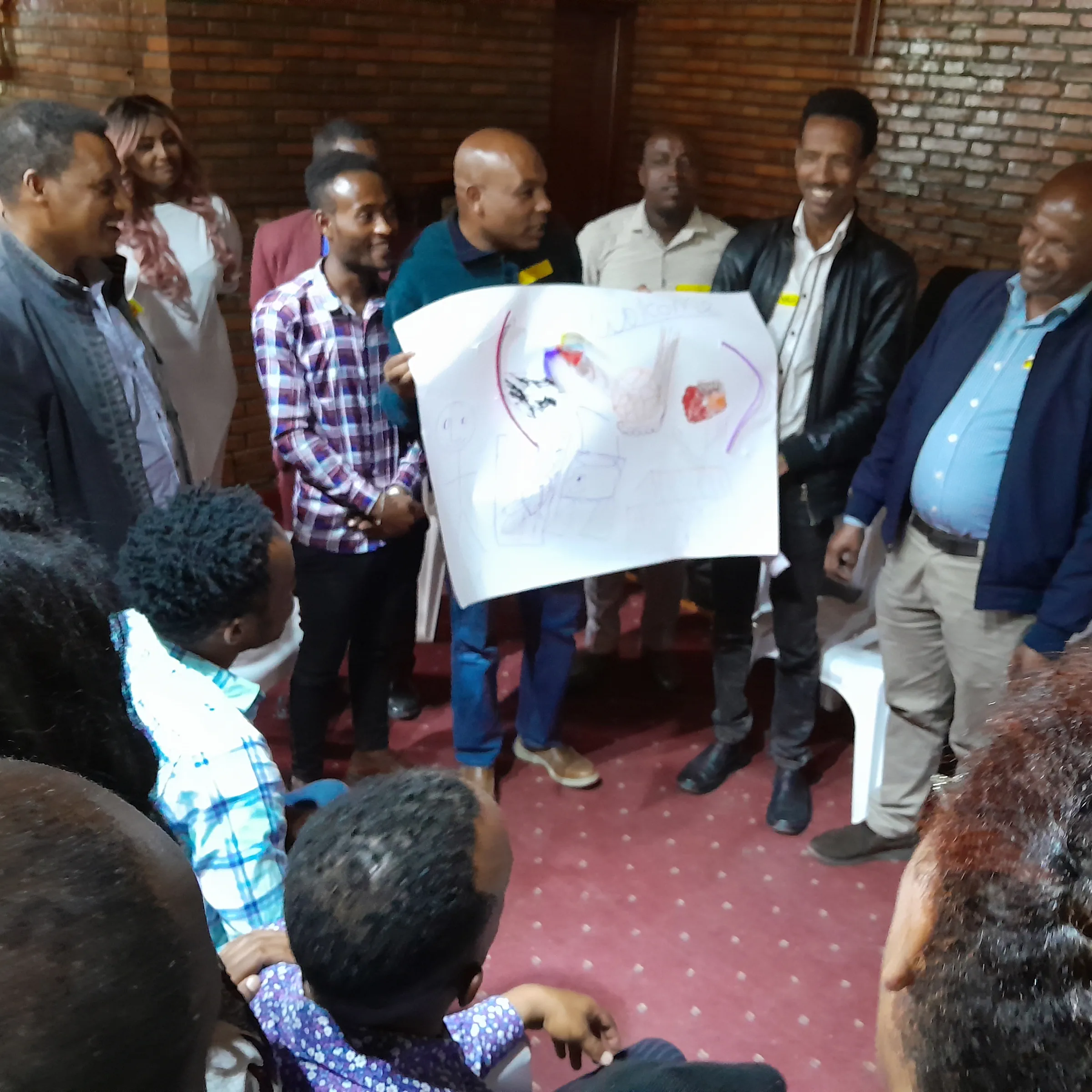
We help churches become trauma‑responsive communities—places where healing is intentional, not accidental.
- We start by helping leaders heal.
Through experiential learning, coaching, and trauma‑responsive discipleship, leaders learn to identify trauma, understand the seven belongings, and walk through their own healing process.
- We help churches reorganize around healing.
Leaders redesign ministries, systems, and culture so broken people feel safe, welcomed, and seen—not judged or silenced.
- We launch small‑group healing ministries.
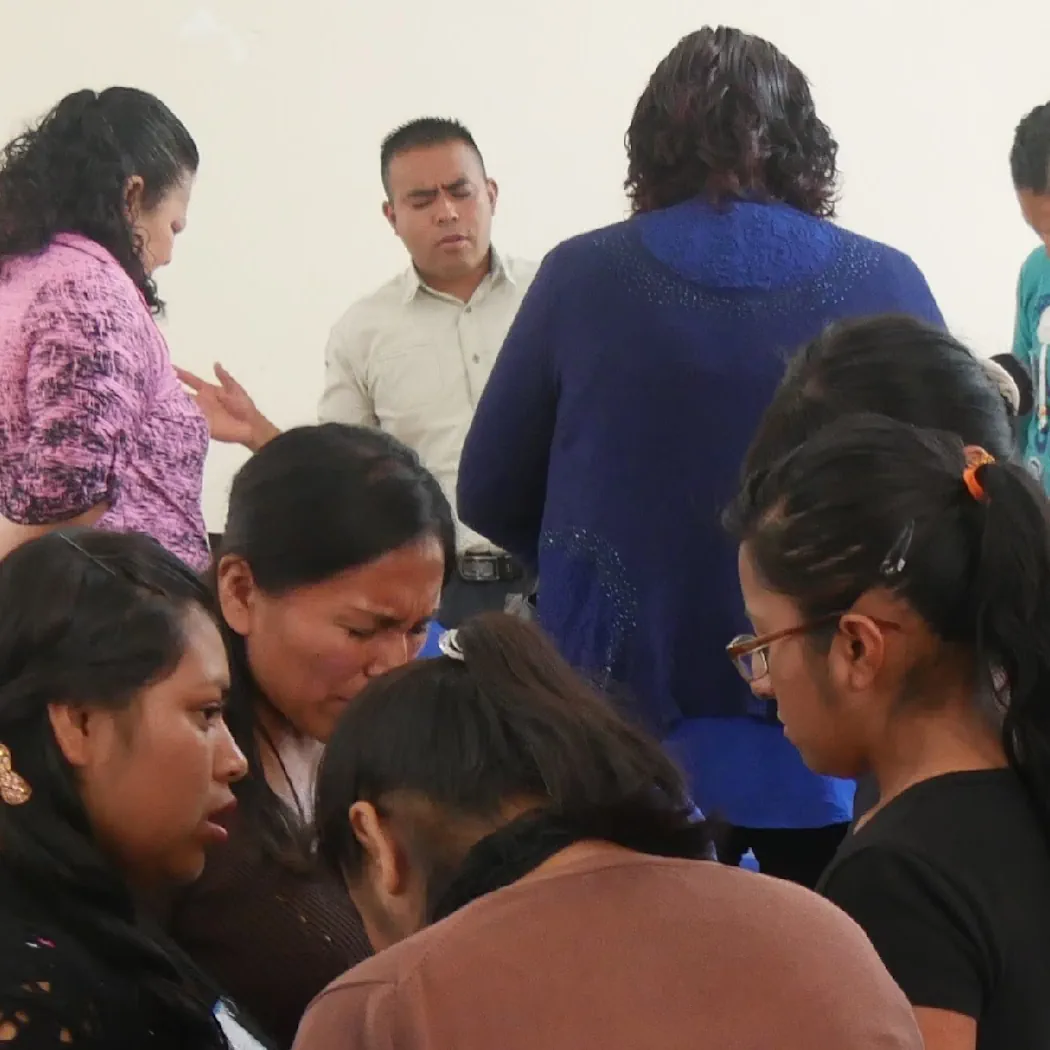
Ordinary people are trained to lead groups that multiply, creating more leaders and expanding the church’s capacity to care for its community.
- We train lay counselors.
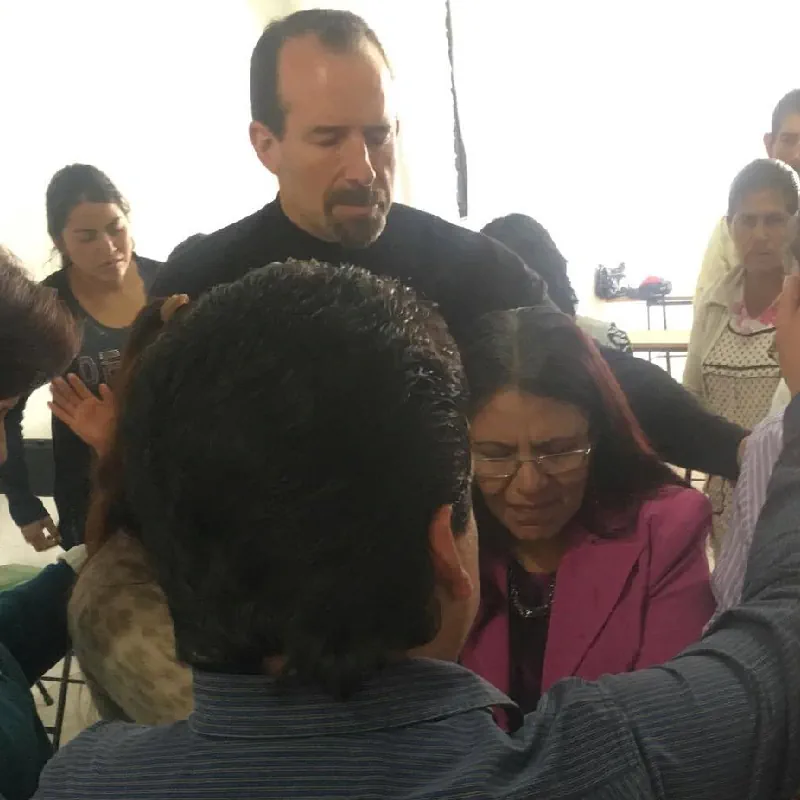
Local believers receive professional‑level training—integrating psychology and biblical truth—to walk with people through deeper emotional and relational healing.
- We build networks of trauma‑responsive churches.
Through the Trauma Responsive Church Alliance, leaders learn together, share resources, and strengthen one another across regions and nations.
This is how cycles of trauma, abuse, and hopelessness begin to break—one leader, one church, one small group at a time.
Q: Why does this matter to me?
Because Jesus never looked at a wounded person and said, “Try harder.” He restored what was missing. He gave people back their belongings.
If you’ve ever felt there must be a better way for the church to respond to suffering—you’re right. And it’s happening.
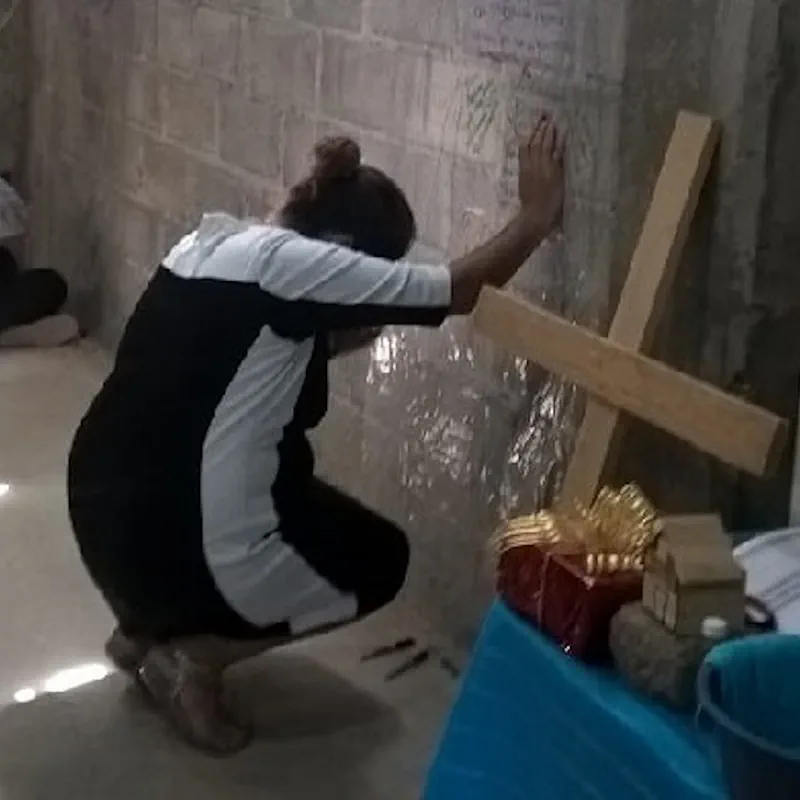
Healing is possible. Restoration is possible. And you can be part of it.
Take your first step today:
- Reflect on which of the seven belongings you received—and which you didn’t. Naming them is the first step toward healing.
- Share this message with someone who needs to understand trauma in a new way.
- Learn more on our YouTube channel
- Sign up to receive life-changing stories of trauma healing
You can also read more about the seven belongings in Healing Care Healing Prayer, by Dr. Terry Wardle.
 The Love We Were Made For - And How It Can Transform Our Love of Others